Why Hair Loss Happens After 40: Causes and Treatment Options

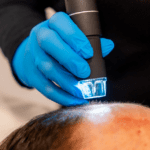
Balding man's crown showing hair loss – hair restoration treatments at CliniSculpt Gauteng
Why Hair Loss Happens After 40: Causes and Treatment Options Hair thinning and hair loss become more common after the age of 40. While some hair shedding is a normal part of the hair growth cycle, many individuals begin to notice reduced hair density, slower hair growth, or a widening part line as they age. Understanding why hair loss occurs after 40 can help individuals explore appropriate treatments and support long-term hair health. The Role of Aging in Hair Loss As we age, several biological changes occur that can affect hair follicles. One of the main factors is the gradual reduction in the activity of hair follicles and the slowing of the hair growth cycle. Hair follicles may produce thinner, weaker strands, and over time some follicles may stop producing hair altogether. Hormonal Changes Hormonal fluctuations are a major contributor to hair loss after 40. In Women Women may experience hair thinning due to hormonal changes related to:
  • Perimenopause
  • Menopause
  • Reduced estrogen levels
These hormonal shifts can affect the hair growth cycle and may lead to gradual thinning across the scalp. In Men Men often experience androgenetic alopecia, commonly known as male pattern hair loss. This condition is linked to sensitivity of hair follicles to the hormone DHT (dihydrotestosterone). DHT can cause hair follicles to shrink over time, resulting in thinner hair and eventual hair loss. Reduced Collagen and Scalp Health Collagen production naturally declines with age. Since collagen plays an important role in supporting the skin and scalp structure, reduced collagen levels may impact hair follicle health. A healthy scalp environment is important for maintaining strong and active hair follicles. Nutritional Factors Nutritional deficiencies may also contribute to hair thinning. Hair growth relies on several key nutrients, including:
  • Iron
  • Zinc
  • Protein
  • Vitamin D
  • B vitamins
Inadequate levels of these nutrients can affect hair strength and growth. Stress and Lifestyle Factors Chronic stress, poor sleep, and lifestyle habits may also affect hair health. Stress can trigger a condition known as telogen effluvium, where a larger number of hair follicles enter the resting phase and shed more than usual. Managing stress and maintaining overall health may support healthier hair growth. Modern Treatments for Hair Loss Advances in regenerative and aesthetic medicine have introduced treatments designed to support hair follicle activity and improve scalp health. PRP (Platelet-Rich Plasma) PRP therapy uses growth factors derived from a patient’s own blood to stimulate hair follicles and promote tissue repair. Microneedling for the Scalp Microneedling can help stimulate collagen production and improve blood circulation to the scalp, which may support hair growth. Regenerative Treatments New regenerative therapies focus on improving the scalp environment and supporting cellular activity within hair follicles. Medical Therapies In some cases, medications such as topical treatments may be recommended by healthcare professionals. Supporting Hair Health After 40 In addition to medical treatments, lifestyle habits may help maintain healthy hair:
  • Balanced nutrition
  • Adequate protein intake
  • Good scalp care
  • Stress management
  • Avoiding excessive heat or chemical damage

When to Seek Professional Advice Hair loss can occur for many reasons, and identifying the underlying cause is important for choosing the most effective treatment. Early assessment may improve treatment outcomes and help maintain hair density. A professional consultation can help determine appropriate options based on individual hair loss patterns and scalp health.